Archives
- 2026-08
- 2026-07
- 2026-06
- 2026-05
- 2026-04
- 2026-03
- 2026-02
- 2026-01
- 2025-12
- 2025-11
- 2025-10
- 2025-09
- 2025-03
- 2025-02
- 2025-01
- 2024-12
- 2024-11
- 2024-10
- 2024-09
- 2024-08
- 2024-07
- 2024-06
- 2024-05
- 2024-04
- 2024-03
- 2024-02
- 2024-01
- 2023-12
- 2023-11
- 2023-10
- 2023-09
- 2023-08
- 2023-07
- 2023-06
- 2023-05
- 2023-04
- 2023-03
- 2023-02
- 2023-01
- 2022-12
- 2022-11
- 2022-10
- 2022-09
- 2022-08
- 2022-07
- 2022-06
- 2022-05
- 2022-04
- 2022-03
- 2022-02
- 2022-01
- 2021-12
- 2021-11
- 2021-10
- 2021-09
- 2021-08
- 2021-07
- 2021-06
- 2021-05
- 2021-04
- 2021-03
- 2021-02
- 2021-01
- 2020-12
- 2020-11
- 2020-10
- 2020-09
- 2020-08
- 2020-07
- 2020-06
- 2020-05
- 2020-04
- 2020-03
- 2020-02
- 2020-01
- 2019-12
- 2019-11
- 2019-10
- 2019-09
- 2019-08
- 2019-07
- 2019-06
- 2019-05
- 2019-04
- 2018-11
- 2018-10
- 2018-07
-
Immune Response and Immune Evasion Up to
2019-11-19
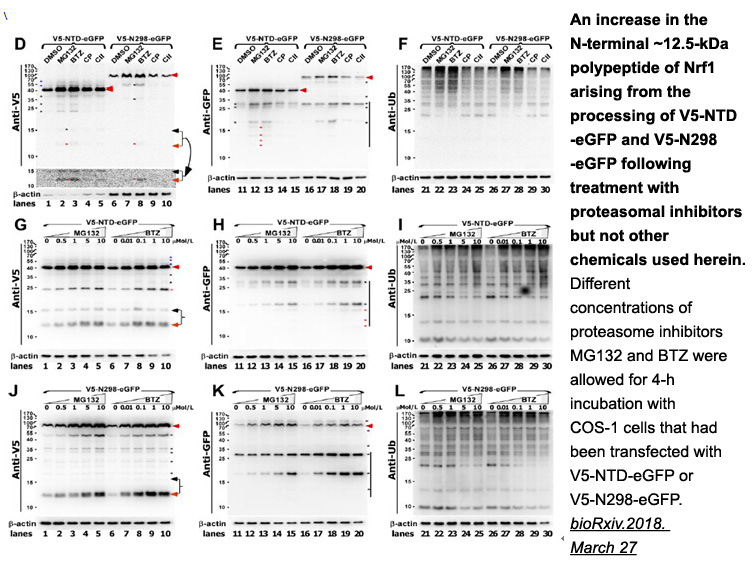
Immune Response and Immune Evasion Up to 10% of the host Illumina 384 are infected with EBV during acute infectious mononucleosis. Most of these cells are effectively cleared by the immune system, but some downregulate viral gene expression and differentiate into safety in the resting memory B cel
-
br Author Contributions Statement br
2019-11-19
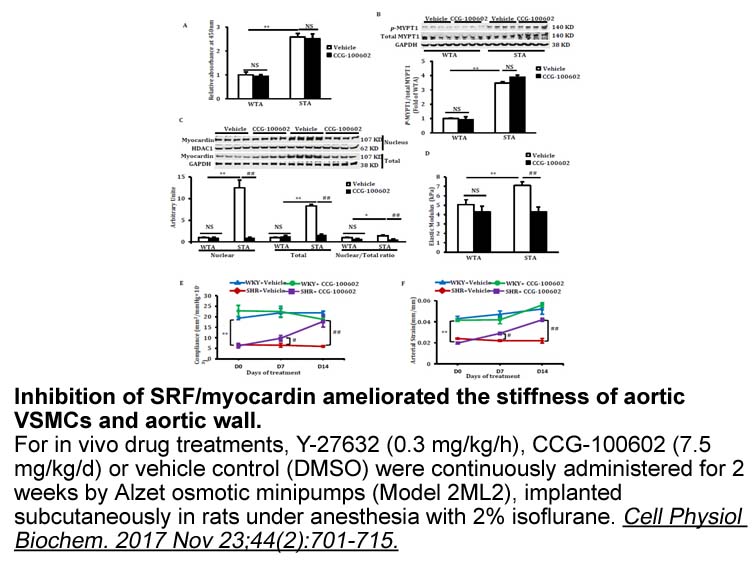
Author Contributions Statement Conflicts of interest Acknowledgments We thank T. Ishii, H. Inaba, and S. Nakamura (Department of Cell Biology, TMDU) for kindly gifting BACCS and technical assistance; S. Kaneko, Y. Ishida, and R. Usumi (Department of Orthodontic Science, TMDU) for experiment
-
br Materials and methods br Results br
2019-11-19
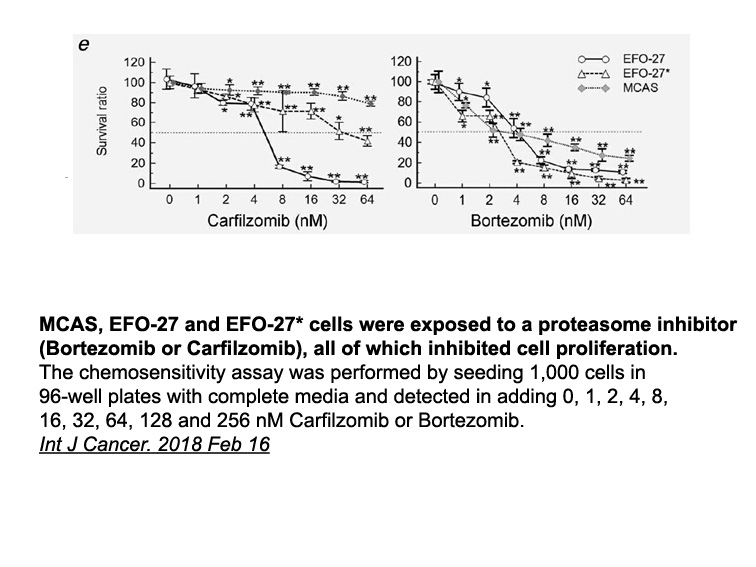
Materials and methods Results Discussion DNA-PKcs and the Ku heterodimer (Ku70 and Ku80) constitute the DNA-PK complex, which is a serine/threonine kinase. DNA-PK phosphorylates H2AX and other substrates, such as main NHEJ factors (Artemis, XRCC4, and DNA ligase IV) [4]. Therefore, DNA-PK d
-
In Arabidopsis the quartet qrt mutant
2019-11-19
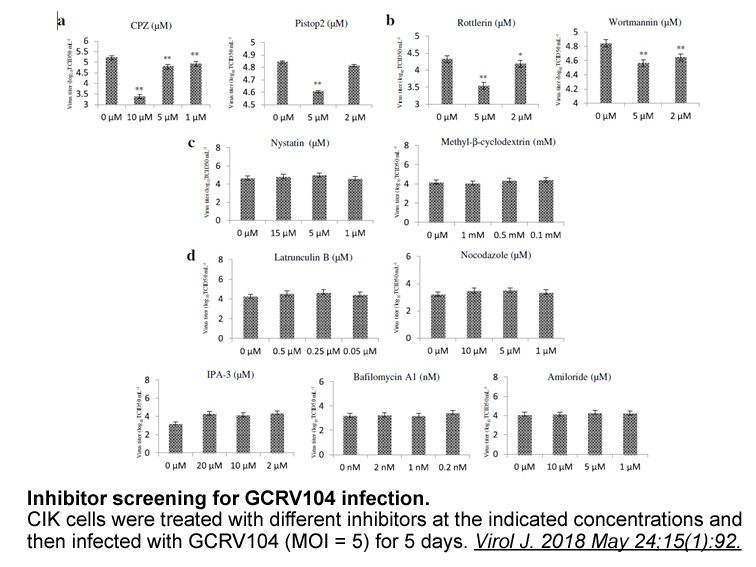
In Arabidopsis the quartet1 (qrt1) mutant enables the same type of analysis of gametophytes (pollen) in sets of four (tetrads) derived from individual meioses 61., 62.. Pollen tetrads from one accession (Columbia-0) are used to pollinate a second polymorphic accessions (Landsberg erecta) resulting i
-
In rodents but not humans two splice variants
2019-11-18
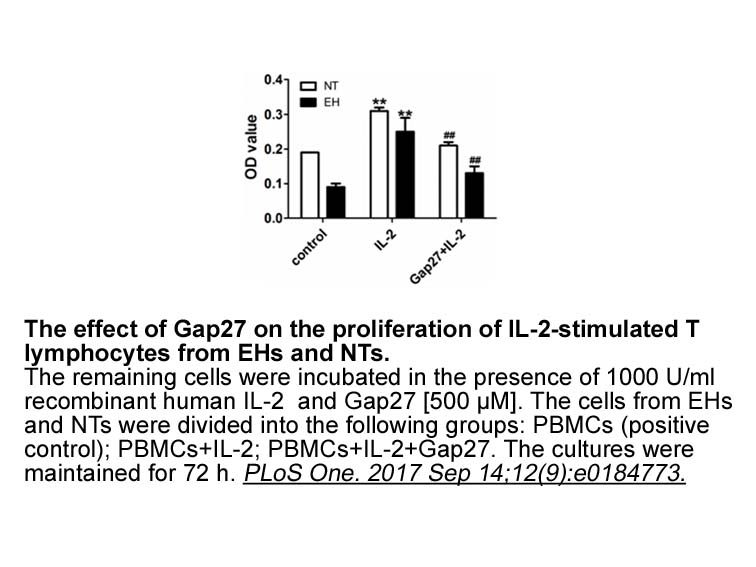
In rodents but not humans, two splice variants of Chk are identified as Ntk and Ctk, which possess and lack the N-terminal unique domain, respectively. While Ctk is abundantly expressed in the brain, Ntk is selectively restricted to myeloid and lymphoid cells, especially megakaryocytes [31]. This ra
-
Previous and ongoing clinical trials have
2019-11-18
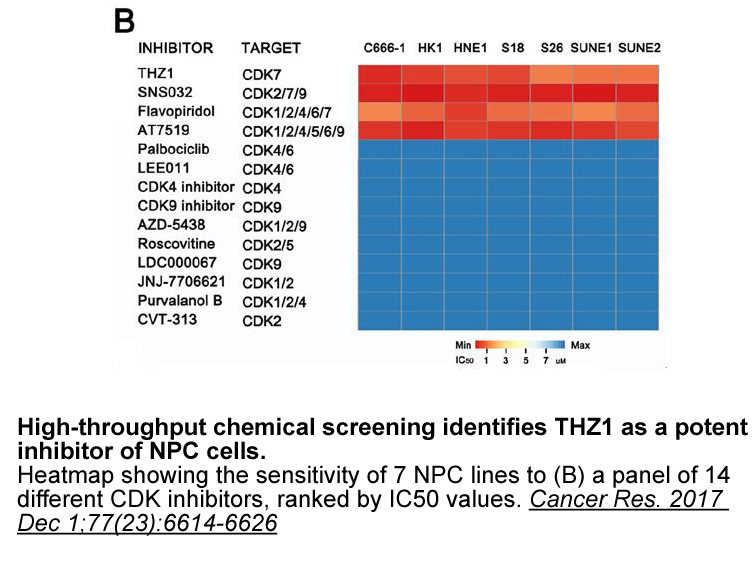
Previous and ongoing clinical trials have been summarized in a recent review (Siaw-Debrah et al., 2017). To our knowledge, there are no ongoing or completed clinical trials focusing on cytokines in ICH. Published studies have focused mainly on cytokine changes in ICH patients (summarized in Table 3)
-
CDK S phosphorylation status influences the differential cel
2019-11-18
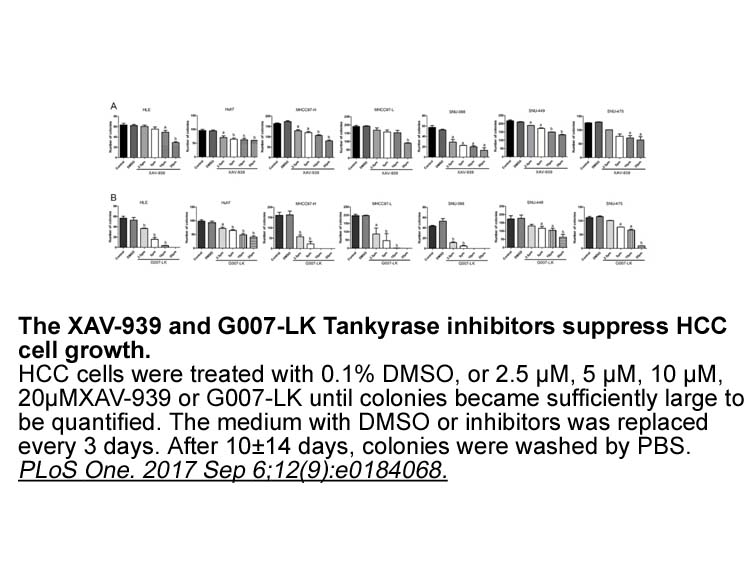
CDK5-S47 phosphorylation status influences the differential cellular proliferation versus migration response: Previous work from our laboratory has shown CDK5 to be a critical determinant of the cellular proliferation-migration dichotomy whereby CDK5 activation downstream of stimulated epidermal gro
-
br Introduction Breast cancer is the most common
2019-11-18
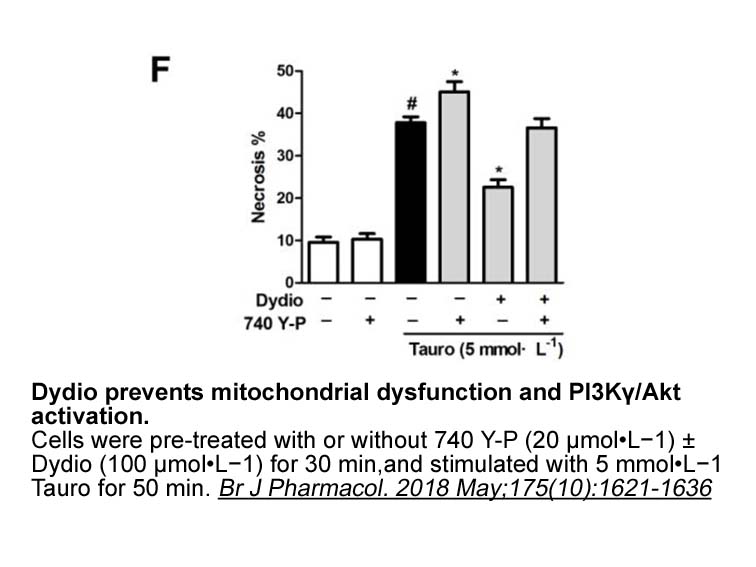
Introduction Breast cancer is the most common cancer in women and one of the leading causes of death worldwide. Estrogen receptor alpha (ERα, “wild-type” estrogen receptor), encoded by the estrogen receptor1 (ESR1) gene, is expressed in approximately 70% of all breast cancers. Hormonal therapy ha
-
The same reservoir of genes is involved
2019-11-18

The same reservoir of CP-673451 receptor is involved in fusions in all types of cancers, which predominantly encode kinases and transcriptional factors [102]. This makes fusion genes potential pan-cancer targets, and renders tumor categorization based on genetic profiling therapeutically reasonable
-
b-Casomorphin (1-3) br Introduction In addition to the canon
2019-11-18
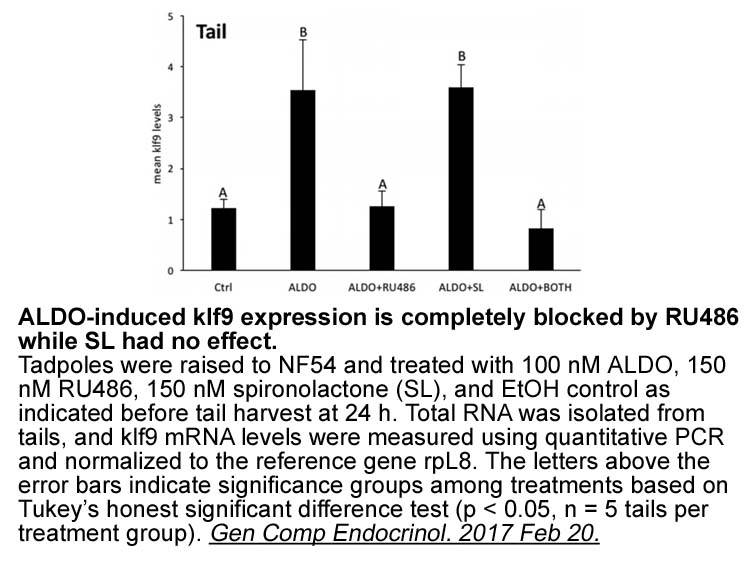
Introduction In addition to the canonical double stranded structure, DNA can form various higher order structures such as bulges, and various kinds of mismatches, triplexes, to the G-quadruplex (G4). Over the past decades, accumulating evidence has begun to emerge that these non-canonical structu
-
Common to all models for nuclear transport is the binding
2019-11-18
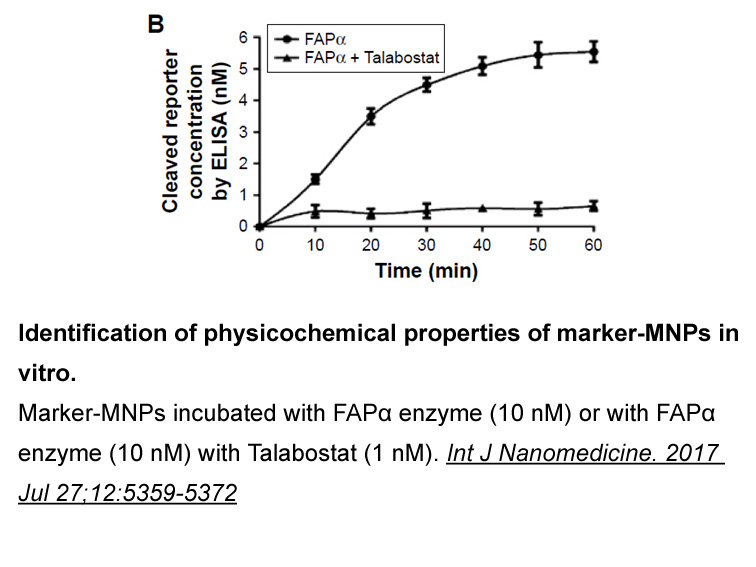
Common to all models for nuclear transport is the binding of importins/exportins to FG repeats found in about a third of the ∼30 nucleoporins, the so-called FG-Nups (Iovine et al., 1995, Rexach and Blobel, 1995); for review, see Grossman et al. (2012), Stewart (2007), and Terry and Wente (2009). FG-
-
It should be noted that not only glyphosate but E
2019-11-18
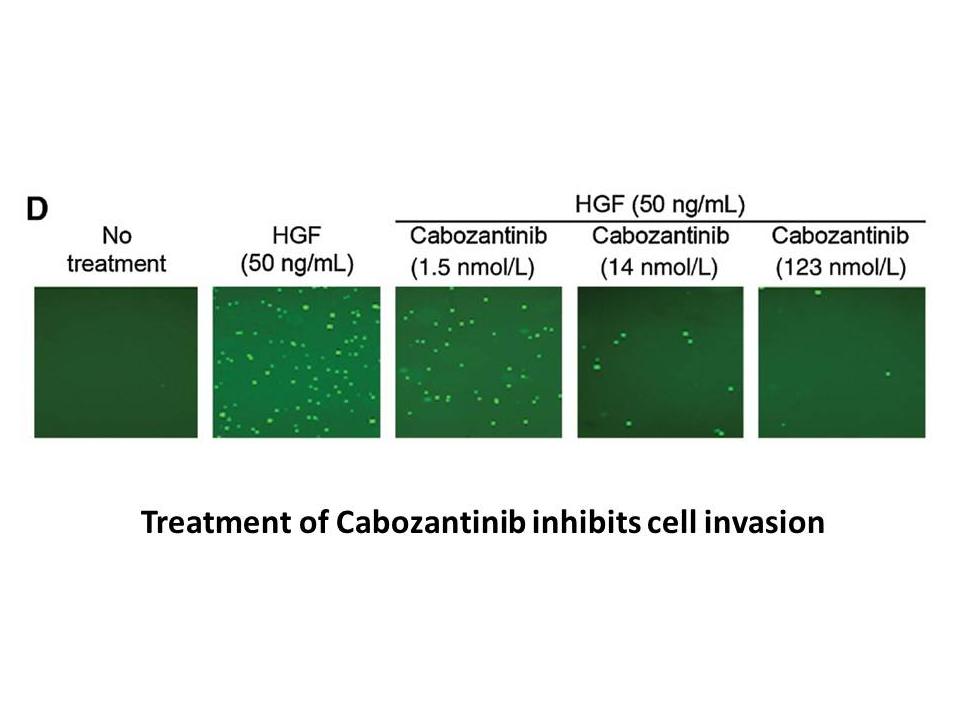
It should be noted that not only glyphosate but E2 at the same concentration range (10−11-10−7 M) also showed similar effects on the expression of the aldehyde dehydrogenase inhibitor regulating proteins. Furthermore, we could not see a significant difference among this concentration range of glyph
-
Otherwise ES cells express high level of histone lysine
2019-11-18
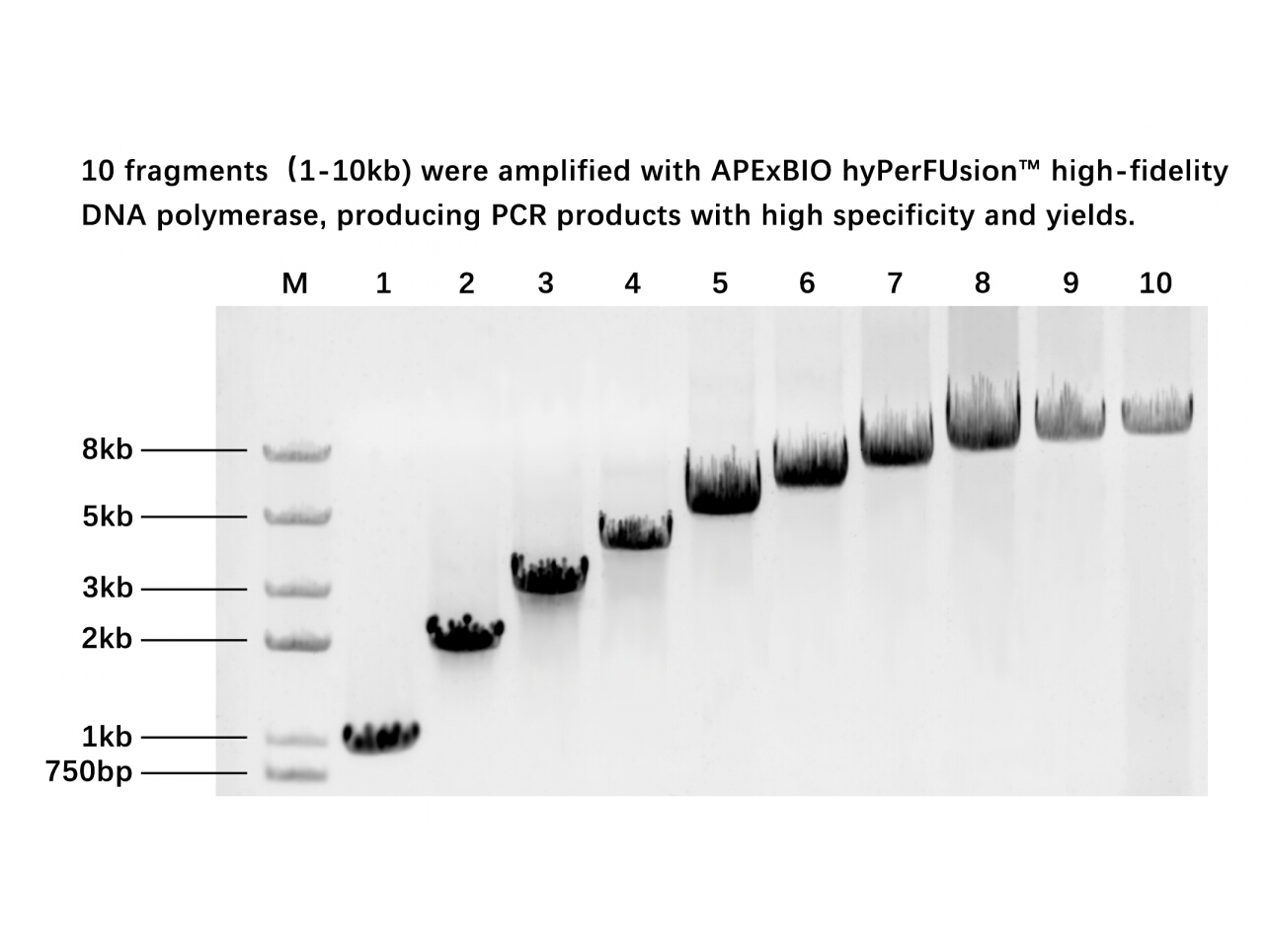
Otherwise, ES KW-6002 express high level of histone lysine specific demethylase 1 (LSD1) expression. In this context, it is proposed that LSD1 inhibition may block the function of EWS-ETS proteins [70]. Furthermore, checkpoint kinase 1 (CHK1), a modulator of cell survival under the condition of impa
-
Our results demonstrated that ET a Wnt ligand
2019-11-18
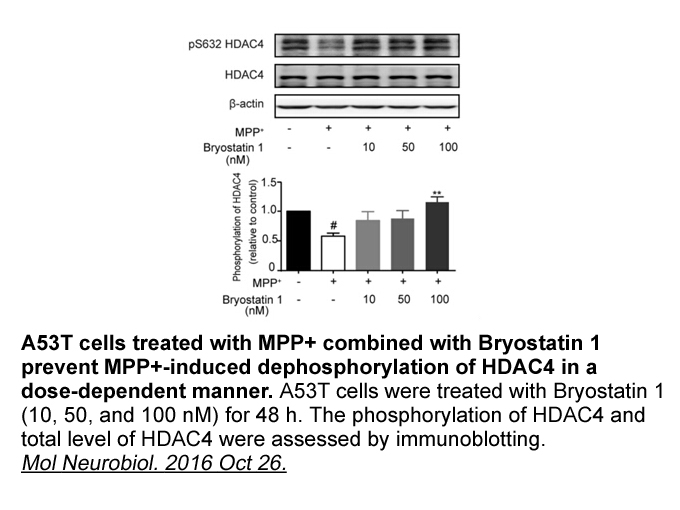
Our results demonstrated that ET-1, a Wnt ligand, stimulated the Wnt/β-catenin signaling pathway. First, ET-1/ETRA binds to Frizzled family cell-surface receptors, resulting in the activation of Dvl1, a Dishevelled (DSH) family protein. Next, activated DSH inhibits the Axin, GSK-3β, and APC protein
-
br Introduction As a strong analgesic morphine
2019-11-18
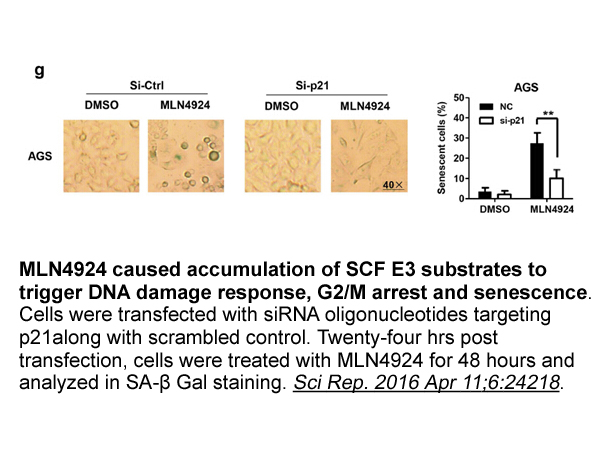
Introduction As a strong analgesic, morphine is often used to treat acute and chronic pain. However, morphine is a substance with low lipid solubility that slowly enters the nerve tissue through the blood–brain barrier and produces neurotoxicity. Morphine-induced neurotoxicity can be produced aft
16413 records 948/1095 page Previous Next First page 上5页 946947948949950 下5页 Last page