Archives
- 2026-05
- 2026-04
- 2026-03
- 2026-02
- 2026-01
- 2025-12
- 2025-11
- 2025-10
- 2025-09
- 2025-03
- 2025-02
- 2025-01
- 2024-12
- 2024-11
- 2024-10
- 2024-09
- 2024-08
- 2024-07
- 2024-06
- 2024-05
- 2024-04
- 2024-03
- 2024-02
- 2024-01
- 2023-12
- 2023-11
- 2023-10
- 2023-09
- 2023-08
- 2023-07
- 2023-06
- 2023-05
- 2023-04
- 2023-03
- 2023-02
- 2023-01
- 2022-12
- 2022-11
- 2022-10
- 2022-09
- 2022-08
- 2022-07
- 2022-06
- 2022-05
- 2022-04
- 2022-03
- 2022-02
- 2022-01
- 2021-12
- 2021-11
- 2021-10
- 2021-09
- 2021-08
- 2021-07
- 2021-06
- 2021-05
- 2021-04
- 2021-03
- 2021-02
- 2021-01
- 2020-12
- 2020-11
- 2020-10
- 2020-09
- 2020-08
- 2020-07
- 2020-06
- 2020-05
- 2020-04
- 2020-03
- 2020-02
- 2020-01
- 2019-12
- 2019-11
- 2019-10
- 2019-09
- 2019-08
- 2019-07
- 2019-06
- 2019-05
- 2019-04
- 2018-11
- 2018-10
- 2018-07
-
Ten non FH ADH probands fulfilled the diagnostic criteria of
2019-08-26
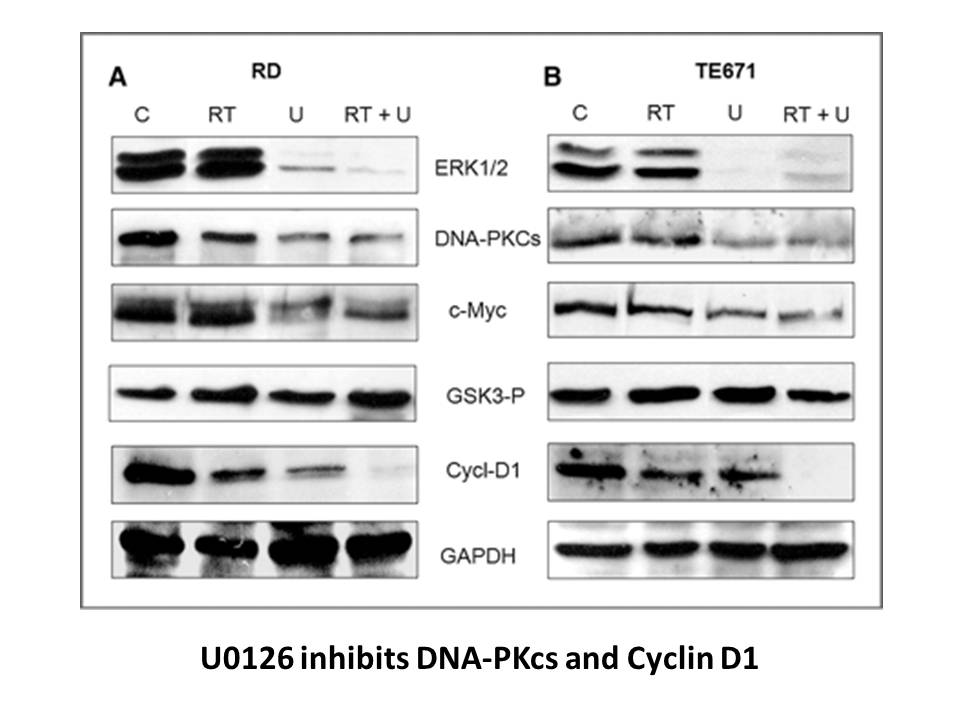
Ten non-FH ADH probands fulfilled the diagnostic criteria of hyperabsorbers. Table 2 shows the main lipid characteristics of these subjects and of 10 non-hyperabsorber probands used for comparison. There were differences between groups in body mass index, waist circumference and triglycerides. Other
-
Valrocemide Determination of relative potency EC by dose res
2019-08-26
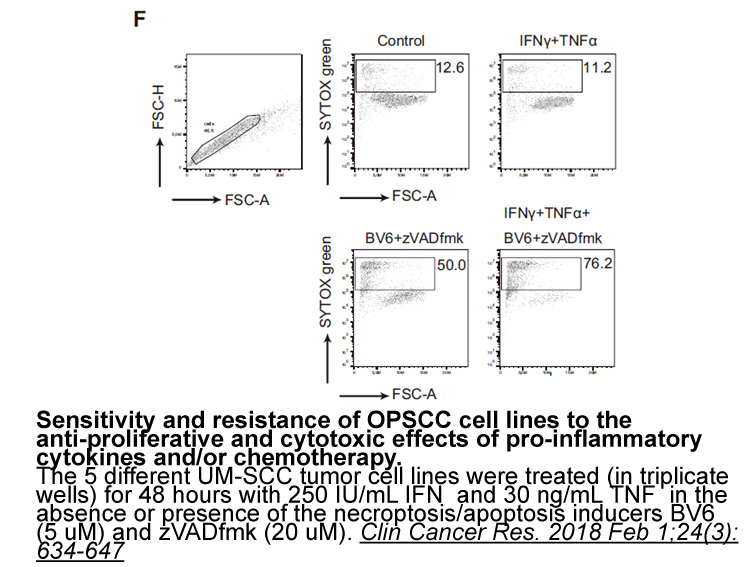
Determination of relative potency (EC50) by dose response assays in vitro is subject to the same sources of variability as determination of affinity, since the EC50 and Hill slope of the dose response curve are highly dependent on the binding of ligand to a competing receptor that may be present, an
-
br Prostaglandin D PGD is derived
2019-08-24
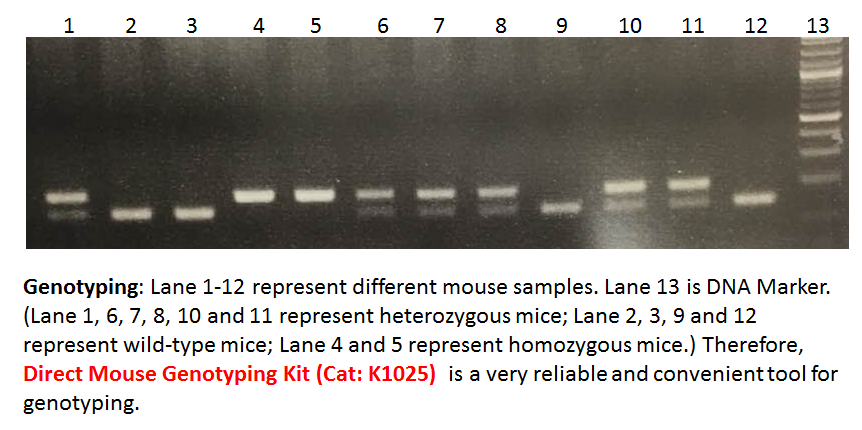
Prostaglandin D (PGD) is derived from the metabolism of arachidonic AG-120 by cyclooxygenases and downstream PGD synthases. In the immune system, PGD is mainly produced by mast cells but also although at lower levels, by macrophages and Th2 lymphocytes. PGD binds to three different receptors, the
-
Our conclusion is in disagreement with that of a
2019-08-24
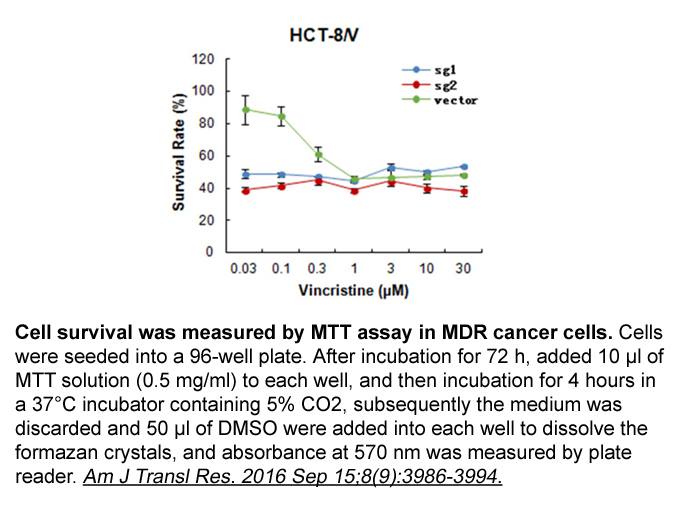
Our conclusion is in disagreement with that of a recent paper by Park et al. [10], which suggests that nitric oxide (NO) inhibition of VHL recruitment occurs by nitrosylation of the 520 cysteine in HIF-1α, and that SNAP does not directly inhibit hydroxylation of HIF peptide by HPH-2. Although this d
-
Finally it is possible that also species differences rat
2019-08-24
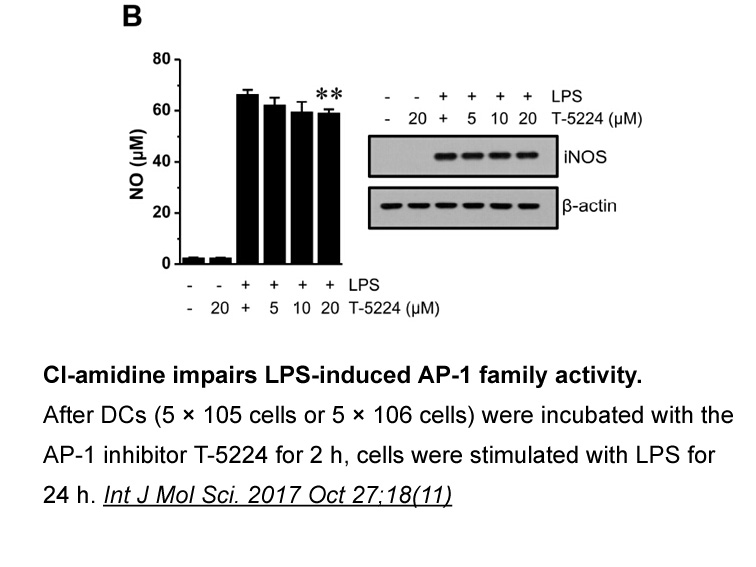
Finally, it is possible that also species differences (rat primary preadipocytes vs mouse 3T3-L1 cells) could contribute to these discrepancies. A recent study suggested that 3T3-L1 chpg may contain adipocyte precursors with multiple cell lineage characteristics which may contribute to different bi
-
EPAC activation in VSMCs and
2019-08-24
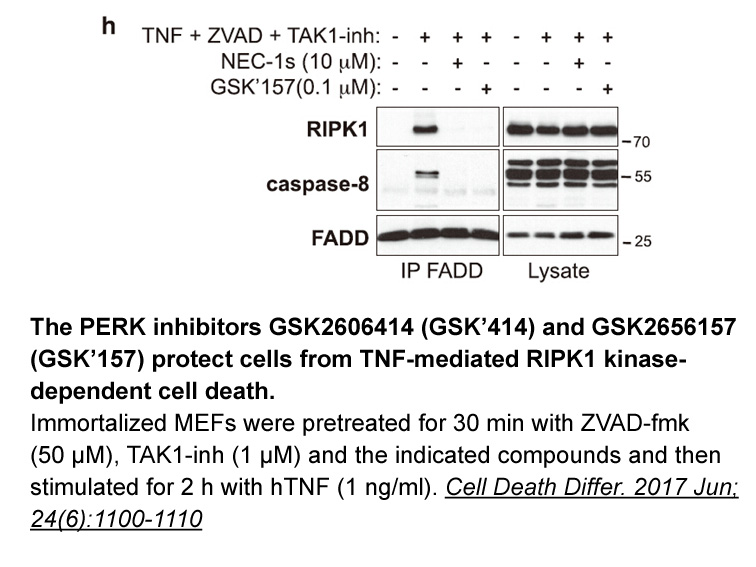
EPAC activation in VSMCs and ECs reverses several processes involved in the development of in-stent restenosis. Of particular relevance is the ability of EPAC1 to induce SOCS3 gene expression, as SOCS3 exerts multiple protective effects in both cell types, while immunohistochemical studies have show
-
Docking experiments showed that Me MeGlcA Xyl and MeGlc Xyl
2019-08-24
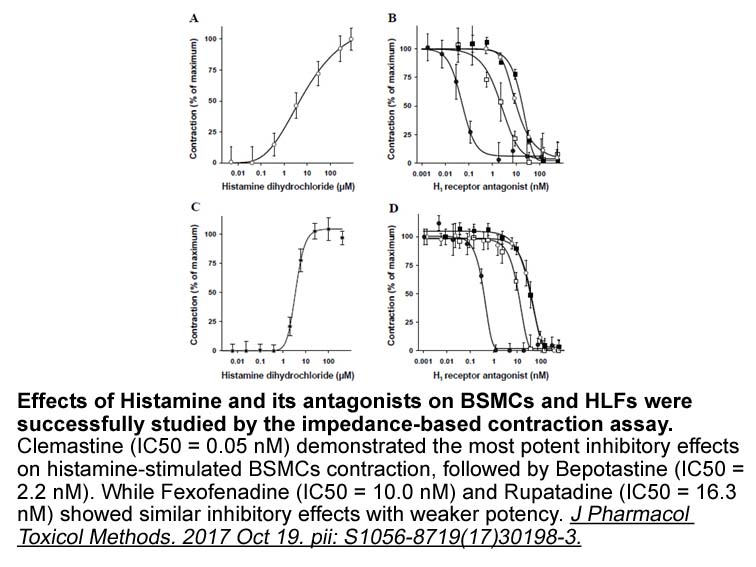
Docking experiments showed that Me-MeGlcA3Xyl4 and MeGlc3Xyl4 were bound to EcXyn30A and the R293A variant in the same way as MeGlcA3Xyl4, having MeGlcA or its modified forms accommodated in the -2b subsite. All ligands were coordinated by the same CGP 35348 and no new interactions were observed. T
-
Several large scale clinical studies
2019-08-24
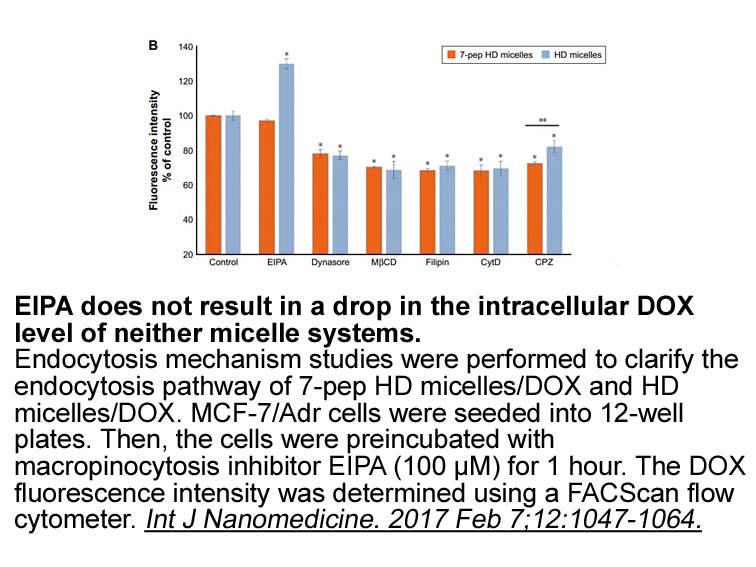
Several large-scale clinical studies have set out with the common goal to further understand the cognitive impact of menopause and hormone therapies taken by women (Gleason et al., 2015, Greendale et al., 2011, Karlamangla et al., 2017, Rapp et al., 2003, Shumaker et al., 2003). Only one human study
-
br Conclusions Nanoparticles can be used to modulate the cat
2019-08-24
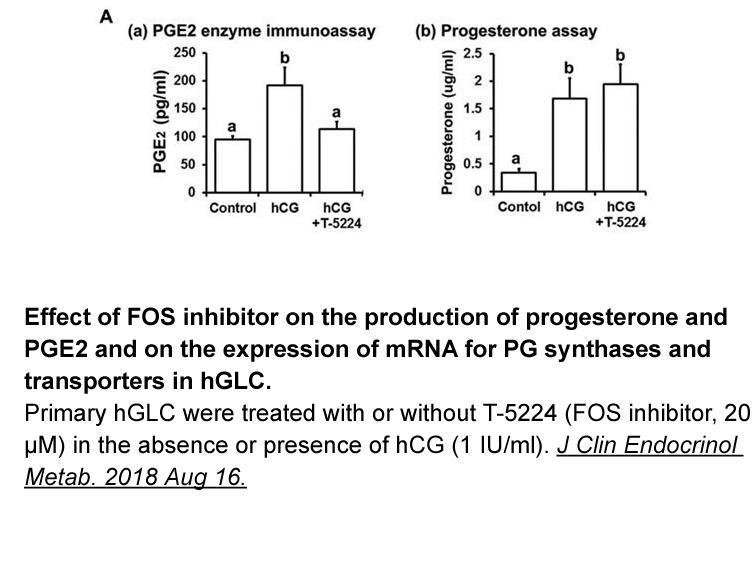
Conclusions Nanoparticles can be used to modulate the catalytic activity of various industrially and clinically useful enzymes, as well as pH, temperature and storage stabilities, which will enable the process to occur more efficiently and less costly. The interaction between an enzyme and nanopa
-
Nrf and HO are key factors in the regulation
2019-08-24
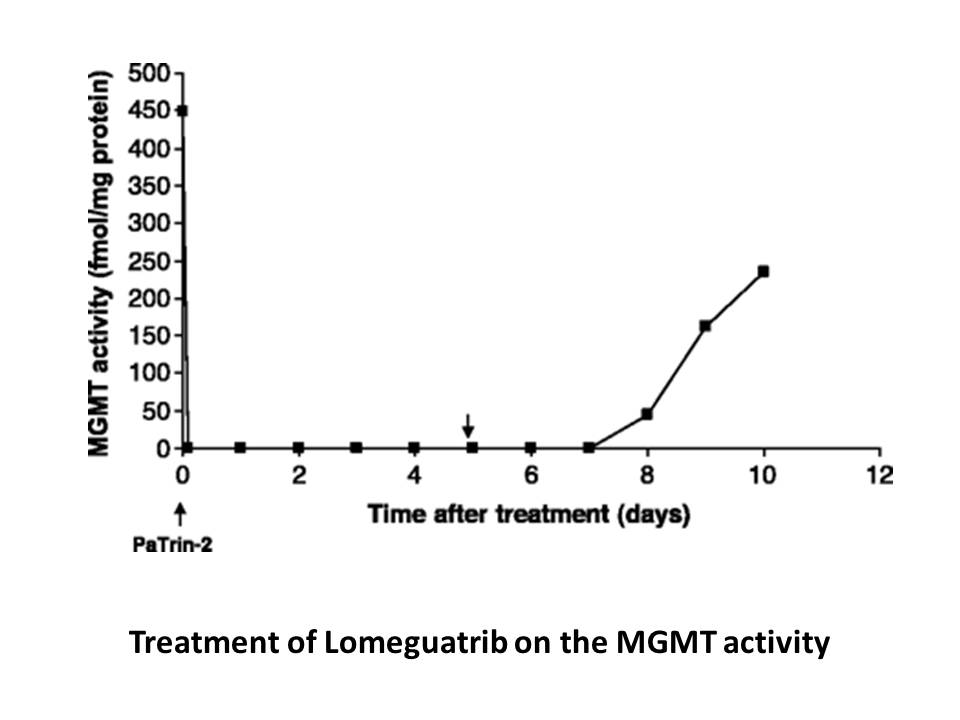
Nrf2 and HO-1 are key factors in the regulation of oxidative stress in the body. Research has shown that KLF2 can activate Nrf2 and HO-1 [14]. To investigate the mechanisms by which KLF2 regulates eNOS uncoupling and oxidative stress, Nrf2 was inhibited or HO-1 was knocked down in KLF2 overexpressin
-
Both the kK and kK mediated ubiquitination leads to
2019-08-24
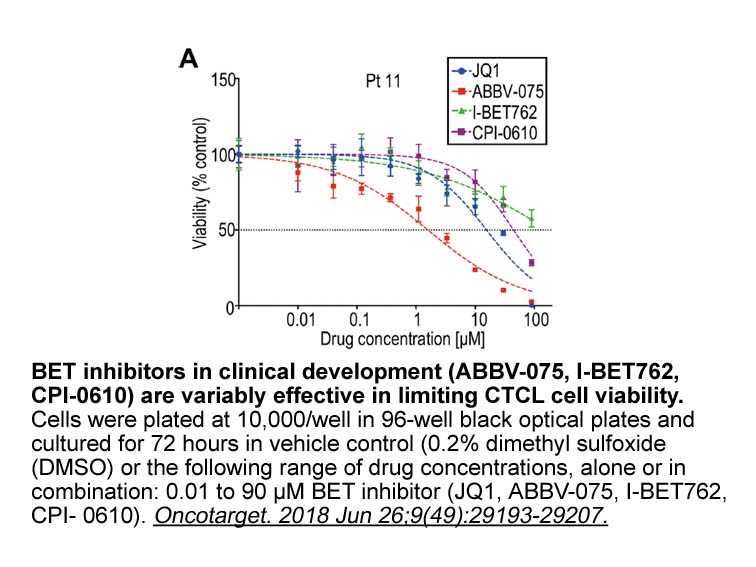
Both, the kK3 and kK5-mediated ubiquitination leads to rapid internalisation of target proteins followed by lysosomal degradation, similar to that seen for MARCH-1/8 [77]. Ubiquitination activity of kK3 and kK5 depends on the positioning of the targeted lysine (or cysteine) residues [22]. The positi
-
br Introduction DNA ligation is required during DNA
2019-08-24
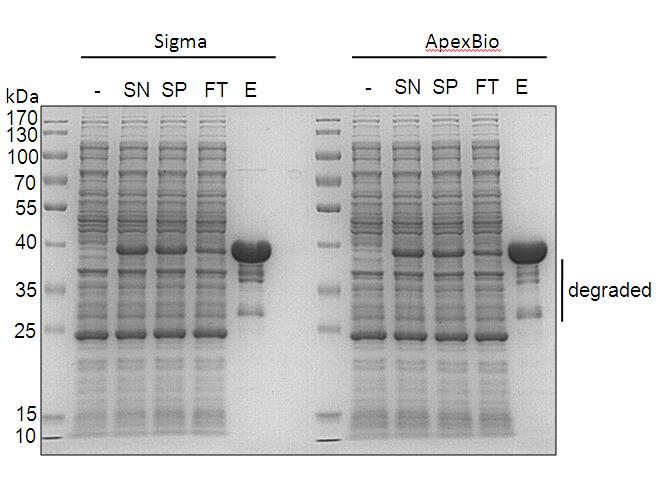
Introduction DNA ligation is required during DNA replication and to complete almost all DNA repair events. In human cells, the DNA ligases encoded by three LIG genes are responsible for joining interruptions in the phosphodiester backbone [1]. These enzymes have distinct but overlapping functions
-
Electron transport via DHODH activity will allow the
2019-08-24
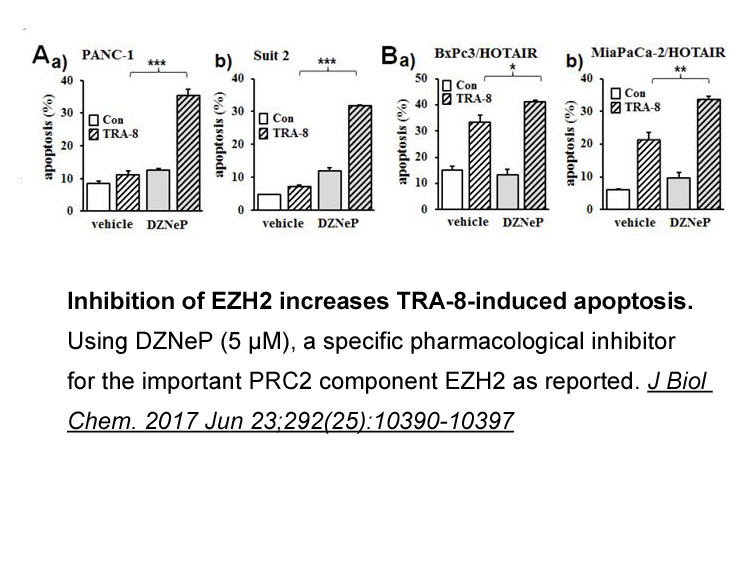
Electron transport via DHODH activity will allow the generation of mitochondrial ROS without the consumption of α-ketoglutarate or NADH. Glutamine-dependent flux through the TCA cycle and oxidative phosphorylation can also enable generation of mitochondrial ROS (Weinberg et al., 2010). The latter pr
-
HOIP s ability to build linear Ub
2019-08-23
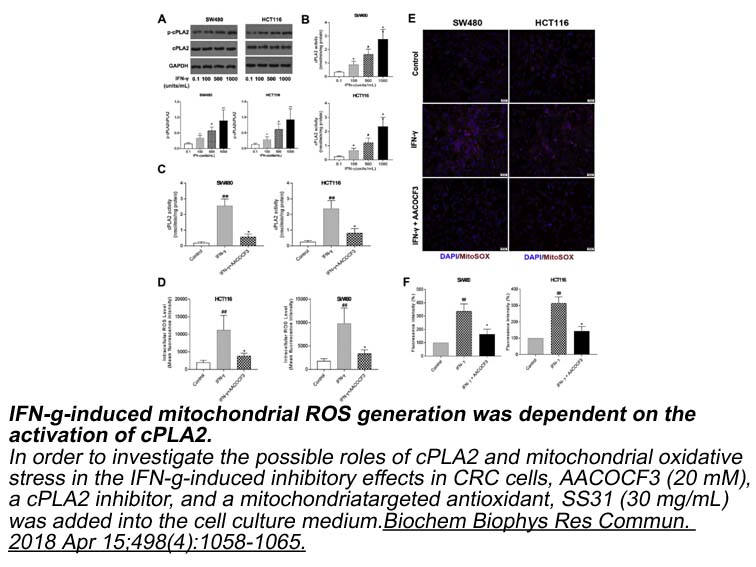
HOIP\'s ability to build linear Ub chains arises from a unique domain that follows directly after the RING2 domain, the linear ubiquitin chain-determining domain (LDD) (Fig. 1). Structures have revealed that the LDD is structurally integrated into RING2, creating a single RING2–LDD unit (Fig. 2D) [4
-
In conclusion as illustrated in Fig G in
2019-08-23
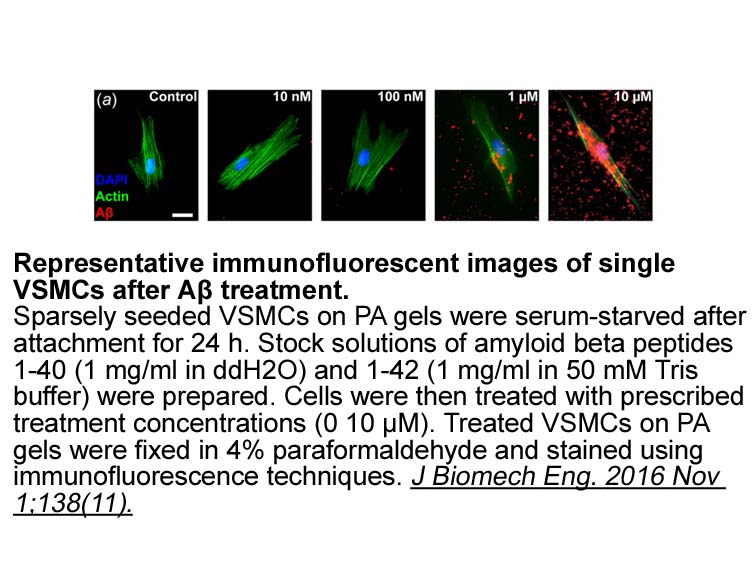
In conclusion, as illustrated in Fig. 5G, in response to MNNG-induced DNA damage, PARP-1 appears to have dual roles in determining the cell fate in response to MNNG: PARP-1 activation is the cause of non-apoptotic cell death via ATP depletion and PARP-1 activation is able to elicit a self-protective
16237 records 989/1083 page Previous Next First page 上5页 986987988989990 下5页 Last page