Archives
- 2026-07
- 2026-06
- 2026-05
- 2026-04
- 2026-03
- 2026-02
- 2026-01
- 2025-12
- 2025-11
- 2025-10
- 2025-09
- 2025-03
- 2025-02
- 2025-01
- 2024-12
- 2024-11
- 2024-10
- 2024-09
- 2024-08
- 2024-07
- 2024-06
- 2024-05
- 2024-04
- 2024-03
- 2024-02
- 2024-01
- 2023-12
- 2023-11
- 2023-10
- 2023-09
- 2023-08
- 2023-07
- 2023-06
- 2023-05
- 2023-04
- 2023-03
- 2023-02
- 2023-01
- 2022-12
- 2022-11
- 2022-10
- 2022-09
- 2022-08
- 2022-07
- 2022-06
- 2022-05
- 2022-04
- 2022-03
- 2022-02
- 2022-01
- 2021-12
- 2021-11
- 2021-10
- 2021-09
- 2021-08
- 2021-07
- 2021-06
- 2021-05
- 2021-04
- 2021-03
- 2021-02
- 2021-01
- 2020-12
- 2020-11
- 2020-10
- 2020-09
- 2020-08
- 2020-07
- 2020-06
- 2020-05
- 2020-04
- 2020-03
- 2020-02
- 2020-01
- 2019-12
- 2019-11
- 2019-10
- 2019-09
- 2019-08
- 2019-07
- 2019-06
- 2019-05
- 2019-04
- 2018-11
- 2018-10
- 2018-07
-
Since we found miR b p to be differentially
2022-06-30
Since we found miR-15b-5p to be differentially expressed along the porcine intestine in 31 day old piglets in a former study [10], the entire miRNA family was analyzed in terms of interaction with potential target-genes. In silico analysis predicted miR-15 family members to target the hedgehog signa
-
Some data also suggested that CCR could influence the
2022-06-30

Some data also suggested that CCR5Δ32 could influence the progression of HCV-related liver diseases (Goulding et al., 2005; Hellier et al., 2003; Wald et al., 2004). However, after stratifying HCV+ individuals according to clinical/histological criteria, no association of CCR5Δ32 with these HCV-rela
-
Two kind systems are currently available to assess
2022-06-30
Two kind systems are currently available to assess the nutritional status of cancer patients, one is largely based on some subjective parameters, the other is totally based on the objective parameters. For score systems largely based on some subjective parameters, like Nutritional Risk Screening Sco
-
Stimulation of GC A by CNP was
2022-06-30
Stimulation of GC-A by CNP was further corroborated by using a cGMP enzyme immunoassay. We could show that CNP significantly stimulated cGMP synthesis in the GC-A reporter cell line. CNP stimulation resulted in similar maximal cGMP levels compared to stimulation by ANP and BNP. Therefore, by lumines
-
Prolonged sGC oxidative inhibition occurs
2022-06-30
Prolonged sGC oxidative inhibition occurs in many diseases [46,[86], [87], [88]]. Keeping sGC membrane-bound and functional under conditions of high oxidative stress requires a mechanism for restoring oxidized sGC (Fe3+) heme iron to its reduced (Fe2+) state. Without this redox regulation, the sGC e
-
Excessive adiposity is also a key pathogenic factor in the
2022-06-29
Excessive adiposity is also a key pathogenic factor in the development of CVD. Through reductions in bodyweight, GPR120 agonism is therefore also implicated as a potential therapy for obesity and heart and vessel disease. In addition to weight loss, when compared with their wild-type littermates, GP
-
br Materials and methods br Results br Discussion A
2022-06-29
Materials and methods Results Discussion A synoptic review of these cases will be given. In Case 1 the process presented in a photodistributed fashion in a 79-year-old woman; while the infiltrate was atypical, it was non-effacing with polyclonal molecular studies. The disease eventually res
-
Introduction Histamine was generally accepted
2022-06-29
Introduction Histamine was generally accepted as a neurotransmitter in 1984, when histamine was first identified to be located in tuberomamillary nucleus (TM) of the brain (Watanabe et al., 1984). In mammals, histaminergic neurons play an important role in regulating multiple physiological activiti
-
br Materials and methods br Results br
2022-06-29

Materials and methods Results Discussion Neurotransmitter uptake is one of the most important aspects of synaptic transmission, it fact, the existence of a specific uptake system is one of the requisites that any neuroactive substance has to cover to be considered a neurotransmitter. It has
-
Increased expression of Glut is detected in a number of
2022-06-29
Increased expression of Glut1 is detected in a number of cancer types including lung [7], brain [8], bladder [9], cervical [10], colorectal [11], esophageal [12], hepatocellular [13], head and neck [14], gastric [15], ovarian [16], renal cell [17], pancreatic [18], thyroid [19] and breast [20]. Over
-
br Methods br Results br Discussion Among three main signali
2022-06-29
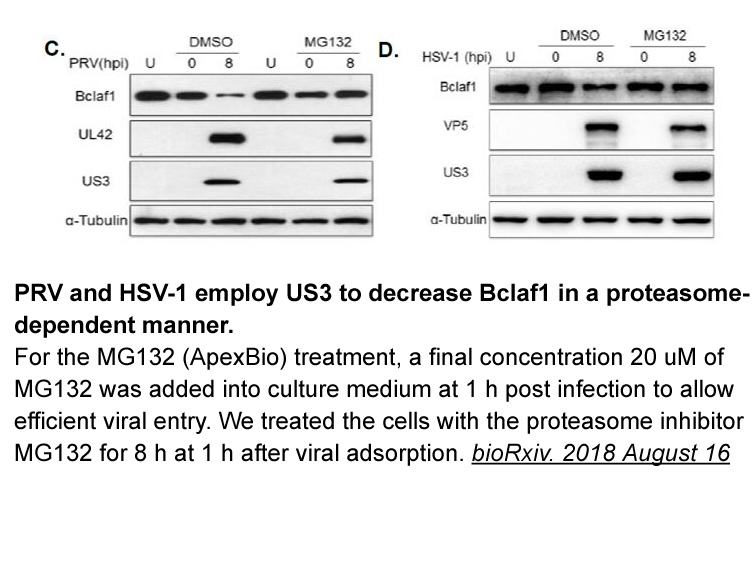
Methods Results Discussion Among three main signaling pathways activated by bFGF, the MAPK pathway was found to be involved in the upregulation of GR levels. So far, there have been a few candidates that could connect activated ERK to the upregulation of GR. One likely candidate is the zinc
-
LbGlcK crystallized as a ligandless dimer in the asymmetric
2022-06-29
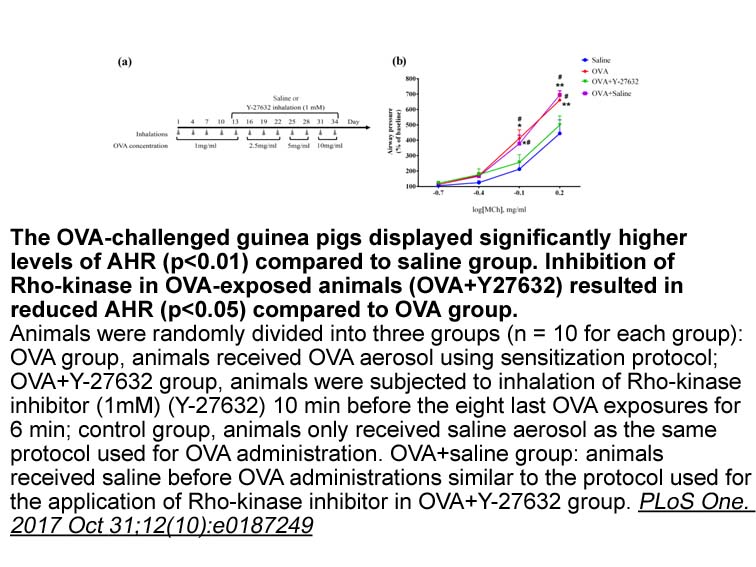
LbGlcK crystallized as a ligandless dimer in the asymmetric unit of space group P21 (Fig. 1a) with two identical subunits stabilized by a large contact surface area of 2295 Å2 (13% of the total surface area) as determined by the Protein Interfaces, Surfaces, and Assemblies (PISA) server [18]. Each m
-
br Anti Factor Xa methods for DiXaIs measurement
2022-06-29

Anti-Factor Xa methods for DiXaIs measurement in plasma Concerning Anti-Factor Xa methods, there is an excellent correlation between the 1-stage and 2-stage Anti-assays as shown in Fig. 6, and the concentrations measured are very similar with all methods. These methods and the DiXaI concentration
-
To interrogate the molecular basis for the myocardial
2022-06-28
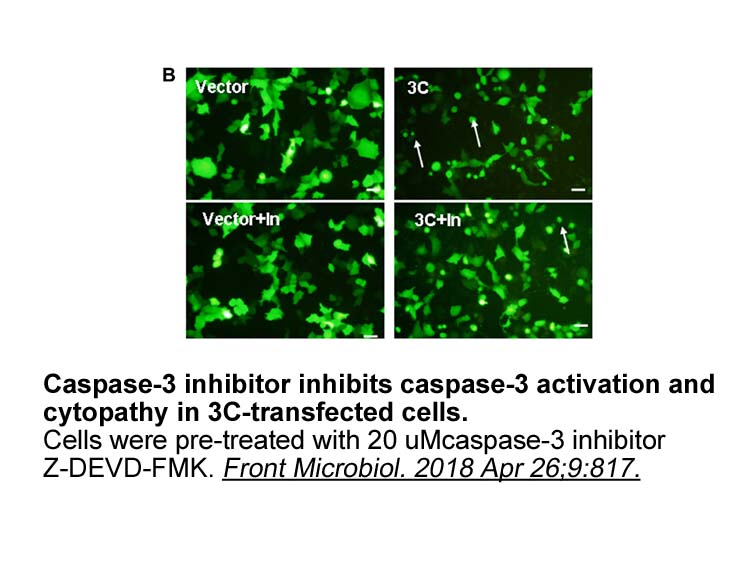
To interrogate the molecular basis for the myocardial phenotype in mutant hearts, we performed quantitative real-time PCR (qRT-PCR) expression analysis of genes encoding critical endocardium-derived molecules including Nrg1 and Efnb2. Nrg1 expression was reduced in E13.5 mutant hearts as compared to
-
The cytotoxicity of these compounds
2022-06-28
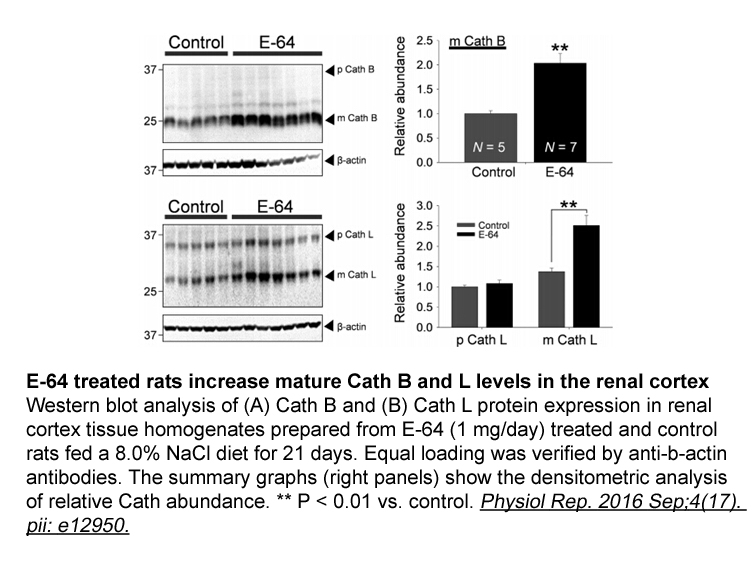
The cytotoxicity of these compounds against Hep3B cells was assessed using the MTT assay. As shown in , compounds in series and (except ), which retained the carboxyl at C-17, showed no appreciable cytotoxic activity (IC > 100 μM), whereas compounds in series (except ,) were modestly cytotoxic, i
16330 records 427/1089 page Previous Next First page 上5页 426427428429430 下5页 Last page